
Crafting Your Investment Management Agreement: Essential Components Explained


In today’s financial landscape, an investment management agreement (IMA) is a pivotal document for investors and portfolio managers alike. It serves as a formal contract between the two parties, detailing the scope and limitations of the manager’s authority over a client’s funds. Understanding its components and legalities can help both sides navigate their relationship efficiently and with clarity.
Te puede interesar:
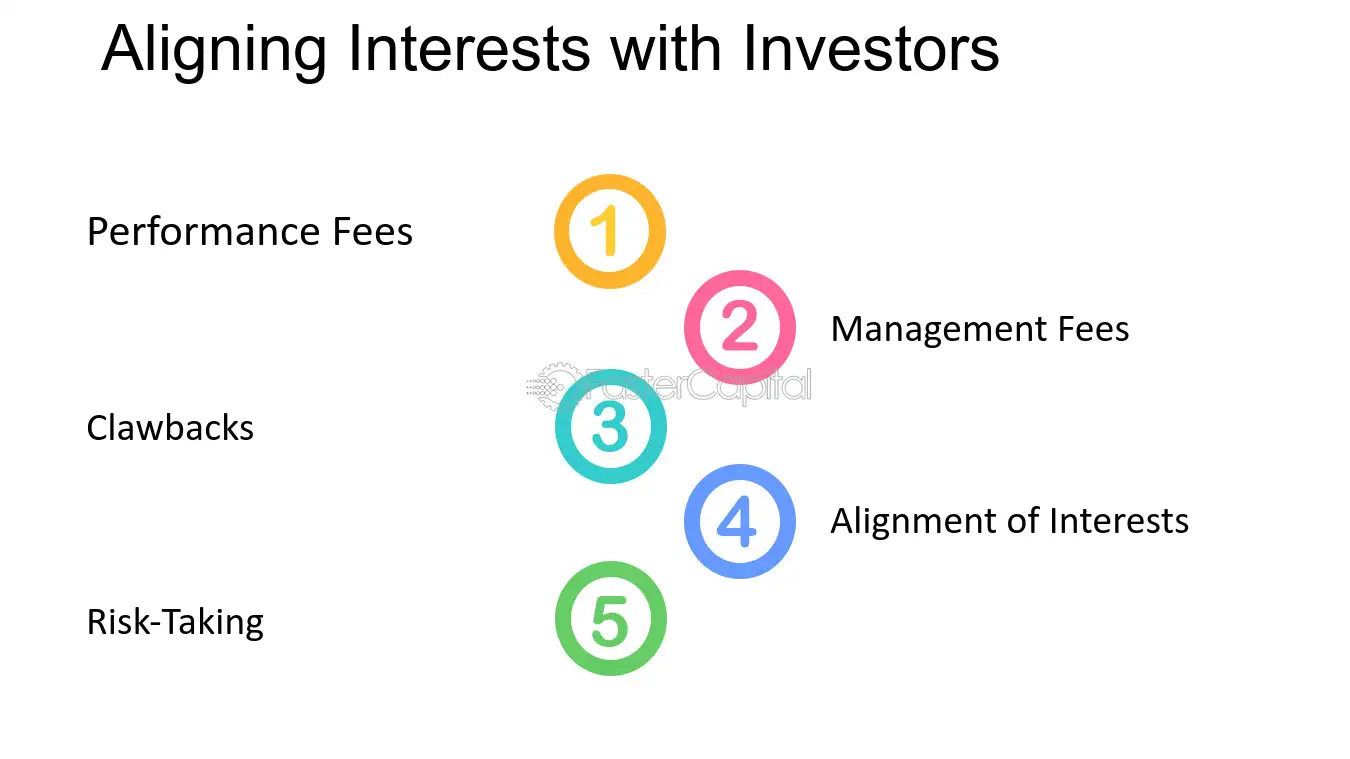


This article aims to demystify the concept of an IMA, outlining its key terms, the roles of the investment manager, and providing insights into different types of agreements. By the end, readers should have a comprehensive understanding of how to craft and interpret these essential documents.
What is an investment management agreement (IMA)?
An investment management agreement is a legally binding contract between an investor and a management firm or individual portfolio manager. This document not only grants the manager the right to make investment decisions on behalf of the investor but also sets forth the terms, conditions, and expectations for the management of the investment portfolio.
The agreement outlines the scope of the manager’s discretion, the investment objectives, and any specific mandates or restrictions imposed by the investor. It is crucial for the investor to ensure that the agreement aligns with their financial goals and risk tolerance.


Typically, IMAs cover detailed policies on how investments should be reported, the fee structure for management services, and the protocol for adding or withdrawing funds. They may also specify guidelines for the valuation of investments and the benchmarks against which portfolio performance will be measured.
Key terms of an IMA
A solid investment management agreement is grounded in its key terms, which articulate the responsibilities and limits of each party. These terms often include:
- Investment objectives: Clear goals that the investment manager must strive to achieve.
- Risk tolerance: Specifies the level of risk the manager is permitted to take.
- Authorization: Details the extent of the manager’s power to act on the investor’s behalf.
- Fees and expenses: Outlines the cost structure for management and additional services.
- Custody: Determines where the assets will be held and who is responsible for their safekeeping.
- Reporting: Establishes the frequency and format of performance and financial reports.
Other common terms may include conflict of interest policies, termination conditions, and indemnification clauses.
What do investment managers do?
Investment managers are professionals tasked with managing financial assets and investment portfolios on behalf of their clients. Their role involves a multifaceted approach to wealth management, which includes:

- Developing an investment strategy aligned with the client’s goals and risk profile.
- Executing trades and transactions to construct and maintain the investment portfolio.
- Monitoring market trends and rebalancing the portfolio as necessary.
- Providing regular reports on performance and responding to the client’s queries.
- Ensuring compliance with relevant regulations and ethical standards.
Investment managers play a critical role in aiming to maximize returns while mitigating risks, often through diversification and strategic asset allocation.
What is a discretionary investment management agreement?
A discretionary investment management agreement provides the manager with the authority to make investment decisions without requiring the client’s approval for each transaction. This level of autonomy enables the manager to act swiftly in the best interest of the client’s portfolio.
While this arrangement offers efficiency and expertise to the investor, it also necessitates a heightened level of trust and transparency between the parties. It is imperative for the investor to carefully assess the manager’s track record, investment philosophy, and performance before entering into such an agreement.
Discretionary IMAs often include specific guidelines and constraints to ensure the manager operates within the boundaries of the investor’s expectations and risk appetite.
Examples of investment management agreements
When crafting an investment management agreement, it is beneficial to reference existing examples that demonstrate standardized terms and successful structures. ContractsCounsel and the Investment Management Association provide resources and templates that illustrate common clauses and provisions found in these agreements.
Real-world examples may feature clauses that address:
- The manager’s investment strategy and process.
- Performance incentives or fee structures linked to benchmarks.
- Provisions for dispute resolution and arbitration.
- Details on portfolio valuation and accounting methods.
These examples can serve as a starting point for drafting an IMA, but it is crucial to tailor the document to the specific needs and circumstances of the investor and manager involved.

The following video offers a deeper dive into the nuances of investment management agreements and highlights the importance of understanding the terms and conditions before entering into such a contract.
Get help with an investment management agreement
Seeking professional help when drafting or reviewing an investment management agreement is crucial for ensuring that the document is legally sound and aligns with the investor’s interests. Legal experts, like those found through ContractsCounsel, can provide valuable advice on:
- Navigating complex investment management agreement legal guidelines.
- Understanding standardized terms and how they may impact the management of the portfolio.
- Avoiding common legal pitfalls and disputes in investment management agreements.
- Ensuring that all essential components of an investment management agreement are properly covered.
Investors and managers should not hesitate to consult with financial lawyers who specialize in these agreements to protect their interests and investments.
Preguntas frecuentes sobre el crafting Your Investment Management Agreement
What is in an investment management agreement?
An IMA typically includes the investment policy statement, fee structure, services provided, and the duration of the agreement. It details the authority granted to the investment manager and sets forth guidelines for the management of the portfolio.
At its core, the agreement should clearly articulate the rights and obligations of each party, ensuring a mutual understanding of the scope of services and performance expectations.
What is the purpose of the investment agreement?
The primary purpose of an investment agreement is to establish a formal relationship between an investor and a manager, outlining how the latter will handle the former’s assets. It aims to protect the interests of both parties and provide a clear framework for the investment strategy and operations.
By setting these expectations in writing, the agreement helps prevent misunderstandings and provides a legal basis for resolution should disputes arise.
What is the difference between investment advisory agreement and management agreement?
An investment advisory agreement is often broader, providing guidance and recommendations to the investor, who retains decision-making power. In contrast, a management agreement typically grants the manager discretionary authority to execute transactions on behalf of the investor without needing prior approval.

The level of control and responsibility differs between the two, making the choice of agreement type an important consideration based on the investor’s need for autonomy or expert management.
What is a normal investment management fee?
Investment management fees can vary widely depending on the firm, the complexity of services, and the size of the investment portfolio. Commonly, fees are structured as a percentage of assets under management (AUM), ranging from 0.25% to 1% or more annually.
Some managers may also offer performance-based fee structures, which align the manager’s compensation with the success of the investment strategy, providing an incentive for the manager to perform well.
Understanding the fee structure and how it aligns with the value provided by the manager is essential for both parties entering into an IMA.
In conclusion, an investment management agreement represents a key element in the professional relationship between an investor and a manager. By carefully considering the terms and seeking expert advice, parties can ensure that their interests are well-represented and that the agreement serves as a solid foundation for successful investment management.