

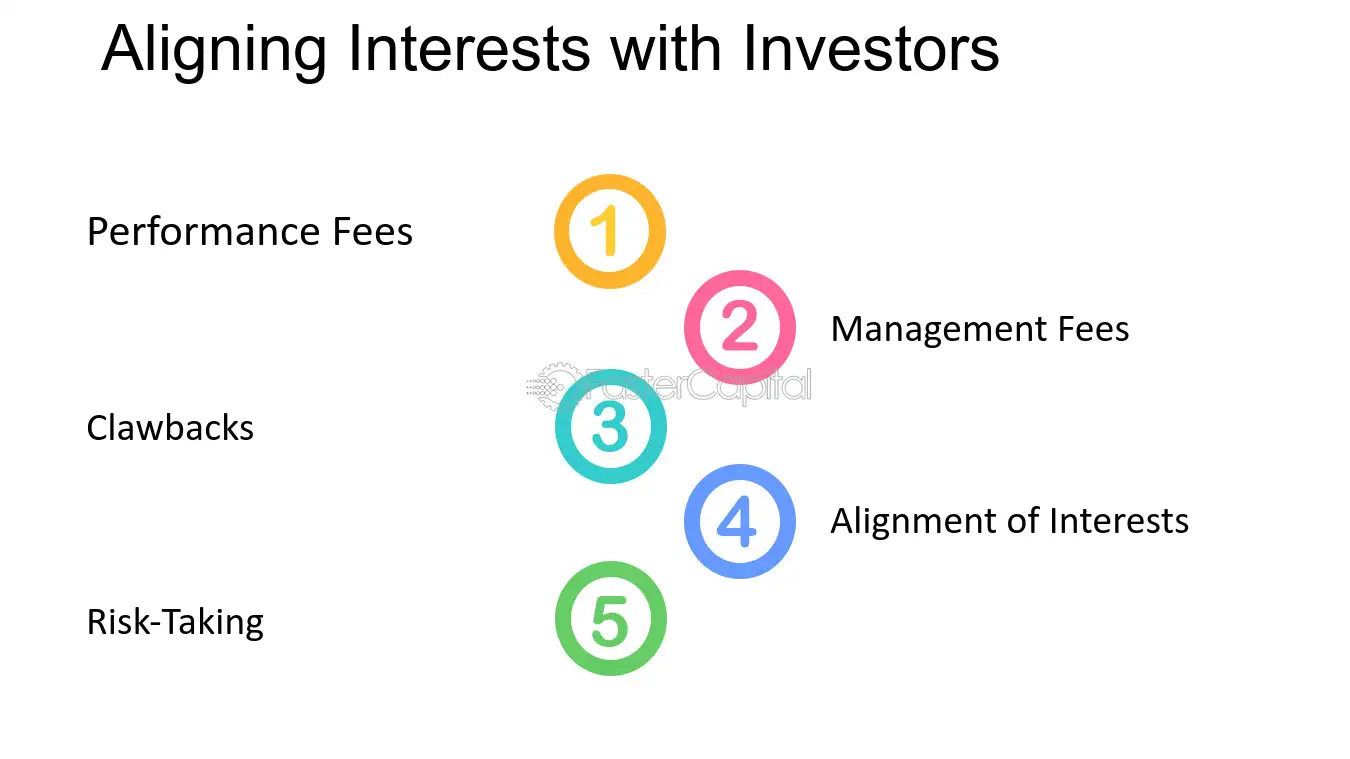
Hedge funds have long been a subject of interest for both seasoned and novice investors, often due to their complex fee structures. Understanding these fees is crucial to evaluating potential investments and their alignment with investors’ interests.
Te puede interesar:


Central to the hedge fund industry is the «Two and Twenty» fee arrangement, a model that has sparked much debate regarding its fairness and impact on investor returns. In this article, we’ll delve into the intricate world of hedge fund management fees and performance charges, decoding how they work and their implications on your investments.
What is two and twenty?
The term «two and twenty» refers to a classic fee structure commonly adopted by hedge funds. This model combines a 2% management fee with a 20% performance fee. The management fee is an annual charge based on the total assets under management, intended to cover the hedge fund’s operational costs.
Conversely, the performance fee is a reward for the fund manager’s expertise in generating positive returns. It’s typically set at 20% of the fund’s profits over a certain benchmark or hurdle rate. While this fee arrangement aligns the interests of the fund managers with those of the investors, it is also a subject of contention within the investment community.


The management fee is guaranteed regardless of the fund’s performance, ensuring that fund managers receive compensation even during downturns. This certainty can be a point of criticism, especially when investor returns are negative.
How two and twenty works
Under the two and twenty structure, the management fee is calculated as a percentage of the fund’s total asset value and is usually paid quarterly. For instance, a hedge fund with $100 million in assets would incur an annual management fee of $2 million. The performance fee, however, is only applied to returns that exceed a predefined benchmark.

For a fund to impose the performance fee, it must first achieve a level of profitability that justifies this additional charge. This is where the concept of a high-water mark comes into play, ensuring managers are not rewarded for simply recouping past losses.
Moreover, some hedge funds employ a hurdle rate, which is a minimum rate of return that the fund must surpass before the performance fee can be levied. This further aligns the interests of the manager with those of the investors, as it puts a priority on achieving a level of performance that benefits all parties involved.
Is two and twenty justified?
The justification of the two and twenty fee structure often boils down to the fund manager’s ability to deliver exceptional returns. Proponents argue that this model attracts top talent and compensates them for their skill and the risks taken.
However, critics point out that the two and twenty model can eat into investor returns, especially in a market that is trending sideways or experiencing low returns. Additionally, as the hedge fund industry matures and faces increased competition, there is growing pressure to adjust fee models to better reflect investor expectations.
It’s important to note that while the two and twenty model is widespread, it is not the only fee structure available. Some hedge funds offer more investor-friendly arrangements such as lower management fees or performance fees that only kick in after higher thresholds are surpassed.
An example of two and twenty
Let’s consider a hypothetical hedge fund with a two and twenty fee structure and $100 million in assets under management. If the fund achieves a 10% return in a year, resulting in a profit of $10 million, the management fee would be $2 million (2% of $100 million).

Assuming there is no hurdle rate, the performance fee would be $2 million (20% of the $10 million profit), bringing the total fees to $4 million for the year. This example illustrates how the two and twenty structure can significantly affect the net earnings received by the investors.
It’s also worth considering that the two and two fee structure can vary depending on the specifics of the fund. For example, some may set a hurdle rate at 5%, meaning the performance fee only applies to profits exceeding this rate.
Understanding management fees
Management fees within hedge funds are designed to cover the daily operating expenses, including salaries, office rent, technology, and other administrative costs. These fees are typically fixed and do not fluctuate based on the performance of the fund.
The size and strategy of a hedge fund can influence the management fee percentage. Larger funds with significant assets under management may charge a smaller fee, benefitting from economies of scale, whereas niche funds with specialized strategies might charge more to cover their unique operational costs.
It’s important for investors to scrutinize management fees and consider how they might impact the overall returns of the hedge fund. While a 2% fee might seem minimal, over time and compounded, it can represent a substantial amount of money.
What is a performance fee?
A performance fee is a charge that hedge funds levy on any profits earned above a certain benchmark or threshold. This fee is intended to incentivize fund managers to generate higher returns, as their compensation is directly tied to the fund’s performance.

Fund managers who consistently outperform the market and generate significant profits for their investors can earn a considerable amount through performance fees. However, if a fund underperforms, investors might not be liable to pay this fee, depending on the presence of a high-water mark or hurdle rate.
Performance fees can vary widely among hedge funds, with some funds opting for a lower or higher percentage based on their investment strategy and the risks involved. It’s essential for investors to understand how these fees are calculated and the conditions under which they apply.
Decoding Hedge Fund Management Fees: What Investors Should Know
In the context of hedge fund management fees, investors should be aware of the different fee structures and how they can affect investment returns. Transparency and alignment of interests between fund managers and investors are crucial in evaluating the suitability of a hedge fund investment.
Ultimately, it’s the investor’s responsibility to conduct thorough due diligence and understand the fee arrangements before committing capital. While the two and twenty model is standard, variations exist that may offer more favorable terms for investors.
For a deeper understanding of how these fees impact the hedge fund industry, let’s take a look at an insightful video:

Frequently Asked Questions on Hedge Fund Fees
What is the typical management fee for a hedge fund?
The typical management fee for a hedge fund can range from 1% to 2% of the total assets under management. However, this fee can vary depending on the size and complexity of the fund, as well as the market standards at the time of investment.
Some funds might charge a lower management fee if they have a higher performance fee, or vice versa. It is vital for investors to consider both management and performance fees when evaluating the overall cost of investing in a hedge fund.
What is a 2 and 20 fee structure?
A 2 and 20 fee structure is a common fee arrangement where the hedge fund charges a 2% management fee on assets under management and a 20% performance fee on profits. This model aims to align the fund manager’s incentives with the investors’ interests by rewarding the manager for superior performance.
While this structure is standard, it’s not universally applied, and some fund managers may negotiate different terms based on the investment strategy and expectations of the fund’s investors.
What are professional fees in hedge funds?
Professional fees in hedge funds refer to the costs associated with the expertise required to manage the fund. These fees encompass management fees and performance fees, and can also include legal, auditing, and consulting fees necessary for the fund’s operation.
Investors should be aware of all professional fees charged by a hedge fund, as they can significantly impact the total cost of the investment and the net returns realized.

Are 2% and 20% the same?
No, 2% and 20% are not the same within the context of hedge fund fees. The 2% typically refers to the annual management fee, while the 20% refers to the performance fee charged on the profits earned. Each fee serves a different purpose and is applied under distinct conditions.
While management fees are generally fixed and collected regardless of performance, performance fees are variable and contingent on the hedge fund achieving a certain level of success.


