


Investing in hedge funds can be a sophisticated avenue for those looking to diversify their portfolio and potentially secure substantial returns. Understanding the complexities of hedge fund investment management is crucial for any investor considering this option.
Te puede interesar:


Hedge funds operate with a goal to achieve high returns by employing various strategies which are often considered higher risk compared to traditional investments. With the guidance of specialized managers, these funds navigate through market turbulences, aiming to bring value to their investors.
What Is a Hedge Fund?
At its core, a hedge fund is a pooled investment fund that trades in relatively liquid assets and employs more complex trading, portfolio-construction, and risk management techniques in order to generate high returns. These may include leverage, short selling, and derivatives for both domestic and international markets. Due to their complex nature, hedge funds are most suited to accredited investors and institutions.
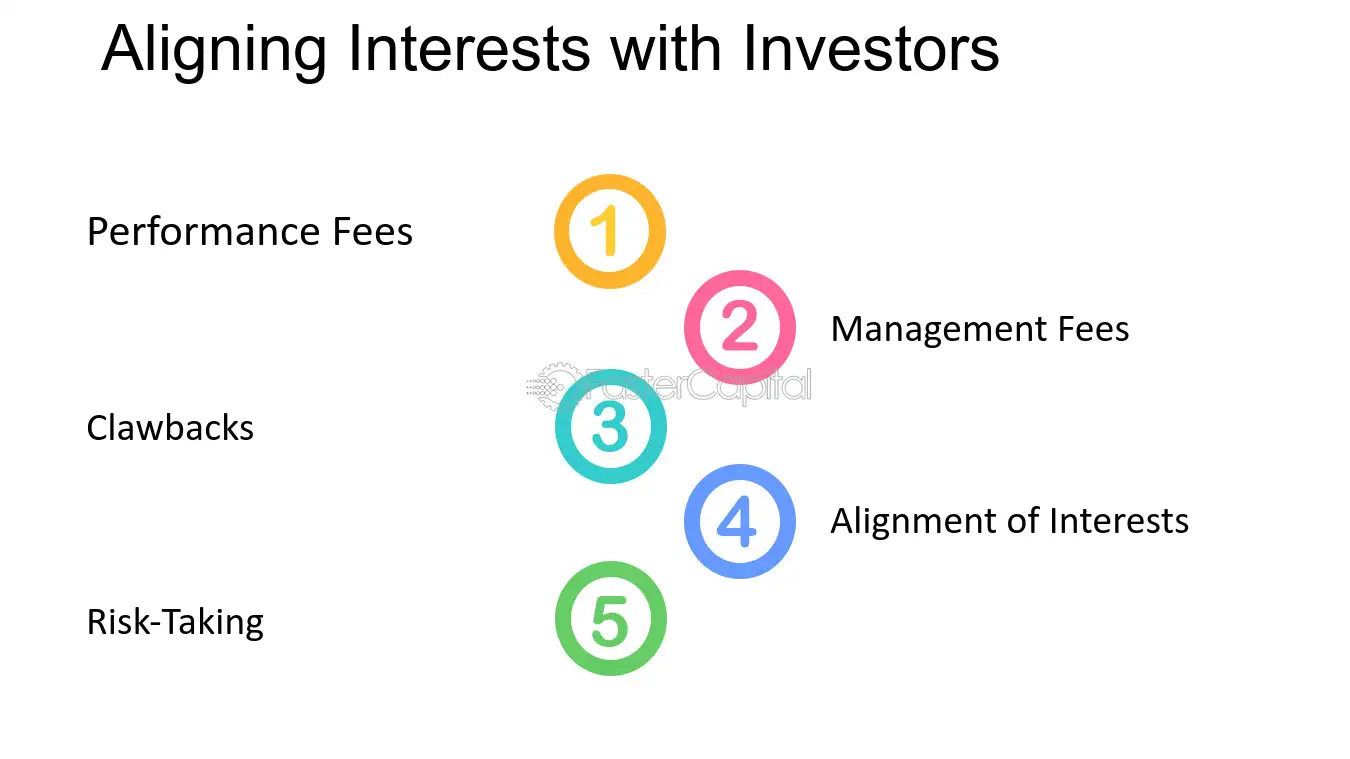
Hedge funds typically have higher fees than mutual funds or ETFs, often charging both a management fee and a performance fee. This can sometimes be in the structure of “2 and 20”, which translates to a 2% asset management fee and a 20% cut of any gains earned.


The managers of these funds are tasked with navigating through the fluctuating markets to deliver positive returns. They often have more freedom in their investment choices than mutual fund managers, including a wider variety of asset classes and the ability to short sell stocks.
Understanding Hedge Funds
Hedge funds are designed to generate active returns, often referred to as alpha, through strategies that are meant to protect the investment portfolio from market downturns—hence the term «hedge». Despite the name, not all hedge funds focus on hedging risk. Some seek to maximize returns, regardless of the economic environment, which can introduce significant risk to the investor’s capital.
Investors typically are required to keep their money in the fund for at least one year, a period known as the lock-up period. Redemptions might also be limited to certain periods like quarterly or bi-annually.
Due to the use of high leverage and risky investments that can turn volatile, hedge funds can become illiquid during market disruptions. As such, they are not suitable for all investors.

Types of Hedge Funds
Hedge funds vary enormously in terms of investment returns, volatility, and risk. There are several common types including:
- Global macro funds, which bet on macroeconomic trends through currencies, commodities, and interest rates.
- Equity hedge funds, which may take long and short positions in stocks to mitigate potential losses in market downturns.
- Relative value funds, which attempt to capitalize on price differences between related financial instruments.
- Event-driven funds, which seek to benefit from corporate events such as mergers and acquisitions.
Each type of fund has its own risk profile and investment strategy, and it is essential for investors to understand these before investing.
Strategies Common to Hedge Funds
The strategies employed by hedge funds can vary widely and can include:
- Long/Short Equity: Taking long positions in undervalued stocks and short positions in overvalued stocks.
- Market Neutral: Seeking to avoid some forms of market risk by taking offsetting positions in different stocks.
- Merger Arbitrage: Investing in potential merger targets before the acquisition is announced.
These strategies aim to reduce risk and provide positive returns in both rising and falling markets. However, they also introduce complexity and additional layers of risk to the investment.
Educational Considerations for Hedge Fund Managers
Hedge fund managers are renowned for their expertise and often come from highly-educated backgrounds with deep experience in finance, economics, or business. The educational requirements for a hedge fund manager can vary, but they generally include:
- A bachelor’s degree in finance, economics, mathematics, or a related field.
- Advanced qualifications such as an MBA or CFA are highly regarded.
- Extensive experience in the financial markets and investment analysis.
Continuous education is also a key factor, as the field is constantly evolving with new financial instruments and strategies.

Key Players: Renowned Hedge Fund Managers
Some managers have become almost as famous as the funds they manage, due to their investment prowess and the substantial wealth they’ve generated. Examples include Ken Griffin of Citadel and Ray Dalio of Bridgewater Associates. These individuals have not only mastered investment strategies but also excel in risk management and capital allocation.
How to Invest in Hedge Funds
Understanding how to invest in hedge funds is crucial for potential investors. It often involves:
- Meeting certain income and net worth criteria due to the «accredited investor» requirements.
- Engaging with a hedge fund manager or firm that aligns with your investment objectives and risk tolerance.
- Performing thorough due diligence on the fund’s past performance, investment strategy, and manager’s track record.
Investors should also consider the associated fees, fund terms, and the overall impact a hedge fund investment may have on their portfolio diversification and risk profile.
Benefits and Risks of Hedge Fund Investment
Hedge funds can offer a number of benefits including diversification, the potential for high returns, and the expertise of professional managers. However, they also come with considerable risks such as high fees, complex strategies, and potential for significant losses.
Related Questions on Hedge Fund Investment Management
Is Hedge Fund an Investment Management?
Yes, hedge funds are a form of investment management where funds are actively managed to produce high returns. These specialized investment vehicles are managed by professionals who employ a variety of strategies to achieve their performance goals.
What Is Hedging in Investment Management?
Hedging in investment management refers to strategies used to offset potential losses in one investment by taking an opposing position in a related asset. The goal is to minimize the risk of adverse price movements in the market.

Why Are Hedge Fund Managers So Rich?
Hedge fund managers often earn a substantial income due to the fee structures of the funds they manage. The typical «2 and 20» fee model allows them to earn a steady stream of income from management fees and a significant portion of the profits through performance fees.
How Do Hedge Fund Managers Get Paid?
Hedge fund managers are compensated through a combination of management fees and performance fees. Management fees are usually a percentage of the fund’s total assets, while performance fees are a percentage of the fund’s profit.
Introducing a video to further enhance your understanding, here’s a detailed explanation on hedge funds:
Investing in hedge funds is not for everyone, as it requires a significant amount of knowledge, research, and understanding of financial strategies. However, for those with the means and the appetite for risk, hedge funds can be a powerful tool in the quest for above-average returns. As always, partnering with a knowledgeable manager and conducting thorough due diligence is essential.


