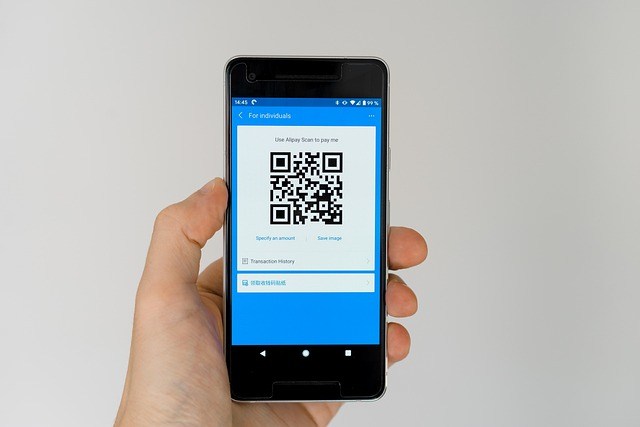
Online banking has revolutionized the way we manage our finances, offering convenience and control over our money from anywhere in the world. With the essential features of online banking, users enjoy a seamless financial experience that adapts to their busy lifestyles.
Te puede interesar:


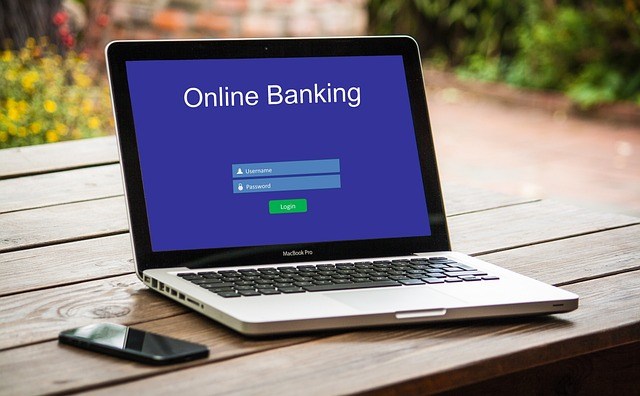
Whether it’s through a desktop interface or a mobile app, the ability to access banking services online provides users with a flexible and efficient way to handle their financial tasks. Let’s delve into the core features and benefits of this modern financial convenience.
What are the essential features of online banking?
Online banking provides a multitude of features that make managing finances straightforward and accessible. One key aspect is the real-time account activity tracking that allows users to monitor their balances and transactions as they happen. Viewing account statements and recent transactions online not only saves paper but also ensures that users stay on top of their finances.
In addition, setting up and managing automatic payments ensures bills are paid on time, every time. Users can also benefit from the functionality of account-to-account transfers, which facilitates the movement of funds between different accounts with ease. Furthermore, online banking often includes budgeting and financial planning tools, which assist users in managing their spending and saving goals.


For many, the ability to deposit checks via mobile banking apps has become an indispensable feature. The convenience of snapping a picture of a check and depositing it digitally eliminates the need for a trip to the bank. Alerts and notifications are another essential aspect, keeping users informed about account balances, due payments, and potential security issues.
How to manage your accounts with mobile banking?
Mobile banking allows users to manage their accounts on the go, with most banks offering dedicated apps that can be downloaded from the App Store or Google Play. These apps come with varying privacy practices and security levels, ensuring users can bank with confidence.
Upon downloading the app, users can usually set up their accounts by following a simple, secure registration process. They can then access up-to-the-minute account information, including balances and transaction history, directly from their smartphones or tablets.
The ability to transfer money between accounts, pay bills, and set up recurring payments are also standard mobile banking features. With biometric authentication technologies such as fingerprint scanning and facial recognition becoming more common, accessing mobile banking apps has never been more secure.
User-friendly interfaces and customer support features built into these apps ensure that managing finances with mobile banking is as easy as possible. Many banks also offer a way to lock or unlock credit and debit cards through their apps, providing an extra layer of security.
What are the benefits of online banking?
The benefits of mobile banking extend beyond just convenience. Users can enjoy access to their financial information 24/7, which is particularly useful in emergencies or when traveling. Online and mobile banking platforms often come with advanced security features that protect users against fraud and unauthorized transactions.
Moreover, the ability to transfer money instantly to friends, family, or businesses is a significant boon for those who need to make quick payments. Online banking also offers potential savings, as many services that might incur a fee in-branch are available for free online.
Environmental consciousness is another benefit, as online statements and digital transaction records reduce the need for paper. Additionally, the financial planning tools available can help users to create and track budgets, analyze spending patterns, and set savings goals.

How secure is online and mobile banking?
Security in online banking is a top priority for financial institutions. Banks use industry-standard encryption methods to protect data transmitted between the user’s device and the bank’s servers. Two-factor authentication, which requires a second form of verification beyond just a password, is becoming increasingly common as an additional security layer.
It’s important for users to play a role in maintaining security by creating strong, unique passwords and keeping their devices’ operating systems up to date. Banks also constantly monitor for any unusual activity and will alert users of any suspicious transactions that could indicate potential fraud.
How to transfer money using online banking?
Transferring money online is a seamless process. Users can typically initiate transfers by selecting the transfer funds option within their online banking portal. They’ll need to specify the accounts they’re transferring from and to, the amount, and, if desired, set up a recurring transfer schedule.
Online banking platforms often support different types of transfers, including same-bank transfers, interbank transfers, and international wire transfers. Users should be aware of any fees or transfer limits that may apply, as well as the expected processing times for each type of transfer.
What are the pros and cons of online banking?
While the advantages of online banking are plentiful, there are some drawbacks to consider. The convenience and constant access can lead to overspending for some users. Technical issues, such as server outages or connectivity problems, can also temporarily prevent access to online banking services.
On the other side, the pros of online banking include significant time savings, as users can perform most banking tasks without visiting a branch. The environmental impact is also reduced thanks to electronic statements and records. However, it’s worth noting that online banking requires a basic level of tech-savviness and access to a reliable internet connection.
Preguntas relacionadas about Online Banking Features and Benefits
What are some features of online banking?
Online banking features vary among financial institutions but typically include viewing account balances and transaction history, transferring funds, paying bills, and setting up account alerts. Advanced features may also include budgeting tools, check depositing via mobile apps, and personalized financial advice.
Additionally, features like loan management, investment services access, and real-time fraud monitoring provide users with a comprehensive suite of tools to manage their finances effectively.
What are the 5 benefits of online banking?
The five key benefits of online banking are convenience, accessibility, lower fees, better rates, and enhanced security. It allows customers to perform financial transactions from virtually anywhere, at any time, often resulting in cost savings due to lower operational costs for banks.
Online banking also typically offers higher interest rates on savings accounts and certificates of deposit. With robust security measures in place, users can confidently manage their finances with peace of mind.
What is the main feature of banking?
The main feature of banking, whether online or traditional, is the ability to securely deposit and manage funds. This encompasses a variety of services, including account management, funds transfer, bill payment, and the provision of financial products such as loans and credit.

In the context of online banking, the main feature extends to instant access to these services via internet-connected devices.
What are the pros and cons of online banking?
The pros of online banking include 24/7 account access, reduced fees, higher interest rates for savings, convenience, and a smaller environmental footprint. However, the cons can include the lack of personal interaction, the need for internet connectivity, potential security risks if not managed correctly, and the possibility of technical issues disrupting service.
Ultimately, the pros of online banking often outweigh the cons, especially when users take appropriate security measures.